Introduction
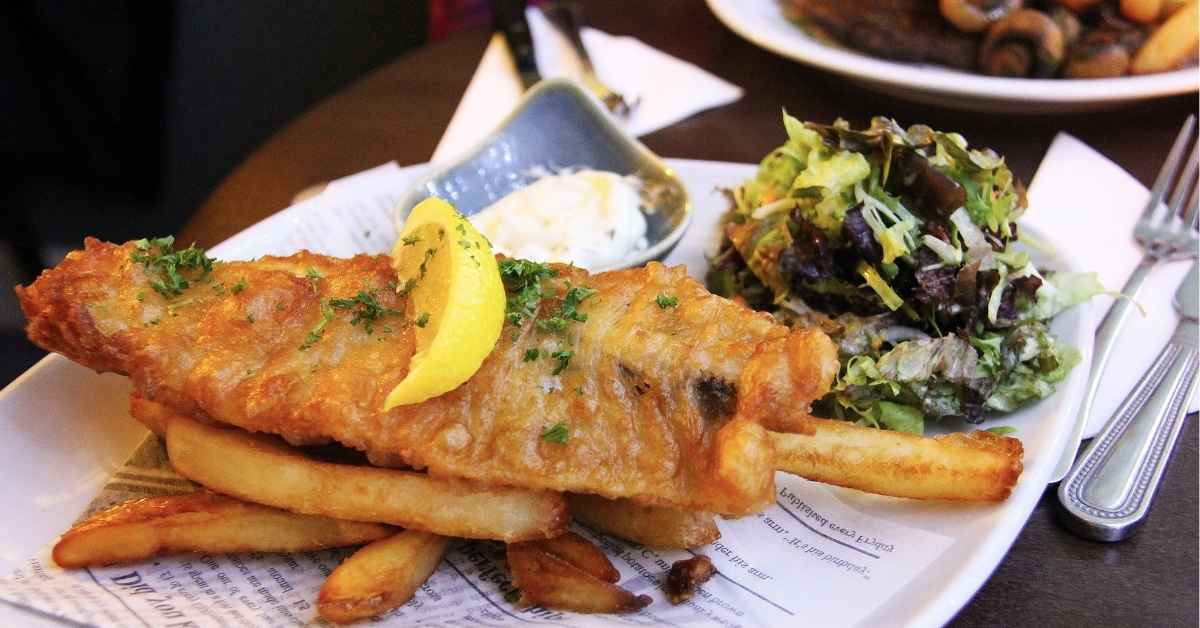
Widely adored around the globe, fish and chips is arguably considered the epitome of comfort food. This dish of United Kingdom Origin consists of battered and deep fried fish alongside golden-brown, deep-fried potato chips (more liberally known as ‘fries’), which is a perfect representation the balance of texture and taste. Across the years, fish and chips have undergone numerous variations, and is now enjoyed across the globe. This comfort food, regardless of whether served in traditional paper wrappers or plated with peas on the side, continues to be a timeless classic in restaurants and homes.
However, fish and chips boast far more than just a delicious meal. This dish, in consideration to the culinary world and food culture traditions, carries a unique significance with its history and health benefits.
The Historical Evolution of Fish and Chips
The history of fish and chips can be traced back to the early 19th century in the U.K. Deep Fried Fish has always been a delicacy but serving it with chips was a new phenomenon at the time. Several historians assume that the practice of frying fish was introduced to Britain by Jewish immigrants, who later began serving it with fries. The dish became especially popular in working-class areas because it was inexpensive and filling.
The Industrial Revolution further advanced the popularity of fish and chips, which became a staple of the working class diet. The dish gained fame across the globe, solidifying its mark as a revered British dish. So much so, that “fish and chips” became such a popular term that many countries started having themed restaurants selling fish and chips, or ‘chippy’ as they are informally known, selling their takes on the dish.
Health Benefits of Fish and Chips
Both comforting and a guilty pleasure at the same time, fish and chips offers several health benefits when prepared in a certain way.
Protein Content in Fish
Some fish, especially the oily types like cod and haddock, are good sources of lean protein which is important for muscle recovery, immune processes, and general upkeep of the body. Cod is an excellent example of fish that gives a range of important nutrients like Vitamin D and B12, which are vital for bone health and energy metabolism, respectively.
Omega-3 Fatty Acids
Some of the fish used for fish and chips are very high in omega-3 fatty acids. Omega-3 is important for proper functioning of the brain and heart. They assist in lessening inflammatory responses, enhancing cognitive abilities, and supporting functions of the cardiovascular system.
Carbohydrate Content in Potatoes
The chips used in fish and chips are made from potatoes, which are a good source of carbohydrates. Carbohydrates have clinical energy properties while also having important vitamins and minerals such as vitamin C, potassium, and fiber.
In general, fish and chips served in restaurants tend to have high amounts of calories and fats due to the frying. However, it can be healthier and still have great taste when the fish and chips are baked instead of deep fried.
Making Fish and Chips at Home
Making fish and chips can be a fun, yet challenging culinary task. Here’s a simple guide to perfecting this classic British dish:
Choose Your Fish
For fish and chips, cod, haddock, and pollock are most often used. Look for fresh, flaky fish that will retain it’s meat structure during frying. It is best to always go for sustainably sourced fish.
Prepare The Batter
To achieve the satisfying crunch, the batter must be perfect. Combine flour, water, and salt for a traditional batter, Creating a crispy coating. Some recipes will substitute a liquid (such as beer) for part of the water to the batter to add a light and airy crispness. Just prior to frying, coat the fish fillets in batter.
Fry The Fish
Using a deep fryer or large pot, heat some vegetable oil to 350 degrees farnheit (or 175 degrees celsius). Gently lower the battered fish into the boiling oil for 3-4 minutes per side until golden brown, increasing the time for every additional inch in thickness.
Make The Chips
Slice the ‘taters into long strips, and remove the skin. Fry the strips in oil until delightful and crisp. If you want to achieve a game-changing level of crispness, try the double fry method.
Serve And Enjoy
Enjoy your fish and chips with tartar sauce, malt vinegar, or wedges of lemon while steaming hot. For an authentic experience, you can also serve it with peas blended into a smooth paste.
Fish And Chip Varieties From Around The Globe
The traditional dish of fish and chips is widespread across the world and has been embraced in different forms:
Australia and New Zealand:
Fish and chips are sold at dedicated “takeaway” shops, and these nations tend to use different types of fish like whiting or flathead.
Japan:
Tempura is the Japanese version and customarily features any kind of fish or even vegetables dipped in a light batter and fried. Conceptually similar to tempura is a dish where rice and a dipping sauce accompany the main dish.
United States:
Fish & chips served in the U.S. tend to be more hearty and normally include coleslaw and fries on the side with tartar sauce. More robust fish like catfish or tilapia are often used in US versions of fish & chips.
Conclusion
This dish of fish & chips offers a unique historical experience, alongside providing comfort and joy to people globally, serving more purposes than just being a meal. With its body of golden crispy fish and mouth-watering fries, this meal can be enjoyed whether one wants to have it at breakfast, lunch or dinner. Despite the modern changes to its preparation, fish and chips remain loved around the world.