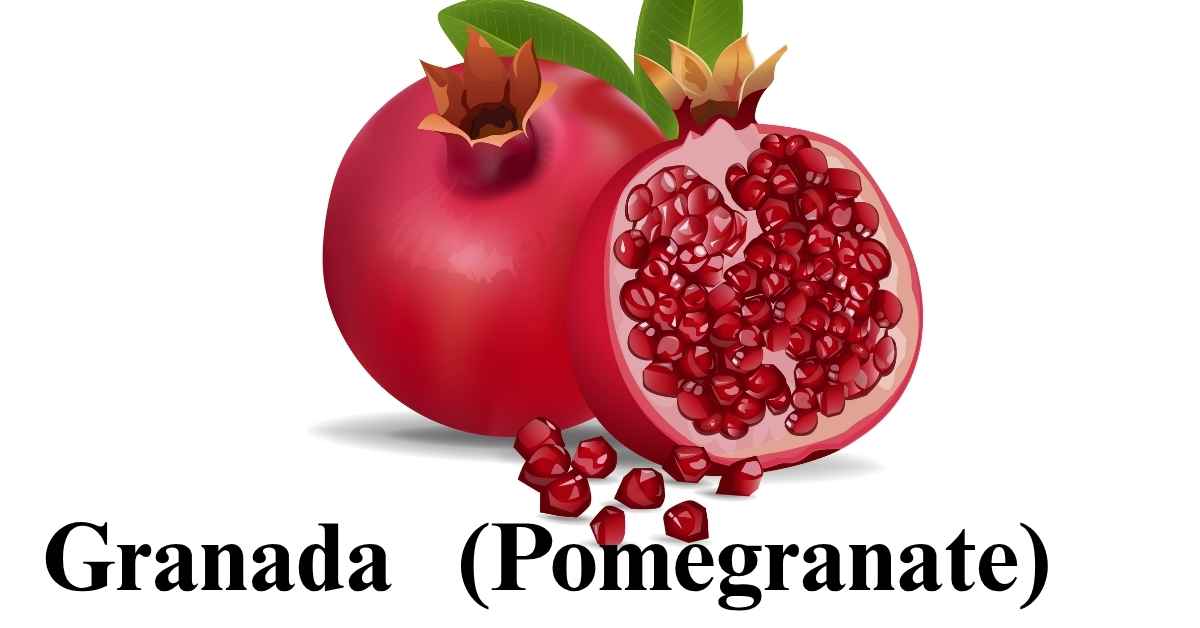
The Granada fruit, or pomegranate, is an exceptional superfood that has historically been regarded for its profound health advantages. This stunningly cultured fruit has made its mark not only for its delicious taste but also for its multitude of health-promoting properties. In this article, we will explore the unique characteristics of the Granada fruit, its benefits, boasts, and its role to contribute to a healthy lifestyle.
What Is Granada Fruit (Pomegranate)?
Granada fruit or pomegranate is a round reddish fruit with a thick outer skin and hundreds of edible seeds or arils inside. Surrounded by juicy pulp, these seeds give the fruit its sweet and tart flavor. The pomegranate is native to the Middle East and is cultivated for thousands of years as a symbol of fertility, prosperity and health.
The fruit looks beautiful, but there is much more to it. It contains a number of essential nutrients such as vitamins, minerals, fiber, and antioxidants. The deep red color of the fruit is a direct indicator of powerful antioxidants like anthocyanins and tannins which provide the various health benefits associated with the fruit.
Health Benefits of Granada Fruit (Pomegranate)
Rich in Antioxidants
Granada fruit is acclaimed for the presence of antioxidants like punicalagins and anthocyanins. These constituents help eliminate the damaging free radicals which are likely to increase oxidative stress and cause serious damage to the cells. The inclusion of pomegranate in daily diet helps to reduce the chances of chronic diseases like heart or cancer.
Supports Heart Health
Pomegranates seem to offer impressive benefits for the heart. Studies suggest that pomegranate juice may reduce blood pressure, cholesterol, and enhance blood flow to the heart. Furthermore, the antioxidants present in the fruit also help in avoiding the plaque formation in the arteries which eventually leads to improved cardiovascular health.
Reinforces Immune System
Vitamin C is very important for maintaining the immune system of the human body and pomegranate fruit is a great source of it. This vitamin fortifies the body by preventing infections and maintaining good health. Regular consumption of pomegranate can guard one against frequent infections like coughing and flue.
Chronic inflammation is connected with a number of health problems such as arthritis, diabetes and heart ailments. Pomegranates include some anti-inflammatory elements that can help strain inflammation from the body. Therefore, if one is looking for diet for managing inflammatory disorders or even preventive is inflammation, pomegranates can be a wonder food.
Aids In Digestion
Much like any other fruit, pomegranates have adequate amounts of dietary fiber. Along with aiding digestion, it also encourages growth of a healthy gut. This ensures an improved digestion and overall intestine health.
Helps Maintain The Skin
Pomegranate has antioxidants and other healing components coupled with vitamins that can be beneficial to skin. Pomegranates aid in guarding the skin from the dangerous effects of ultraviolet lights, decreasing age’s signs such as wrinkles and fine lines, and increasing the skin’s regeneration ability. Regularly taking pomegranate juice or using its extract onto the skin may help achieve a youthful and vibrant look.
Cancer Prevention
There is growing evidence suggesting that pomegranates might help prevent cancer due to their anti-cancer properties. The compounds in the fruit, particularly punicalagins, have been shown to slow down the growth of cancer cells in breast, prostate, and colon cancer. While further research is warranted, pomegranate is accepted as a natural means for cancer prevention.
Weight Management
Pomegranates can assist in controlling weight because they are low in calories and high in fiber. Fibers in pomegranates promote satiety which helps in reducing total caloric intake, thereby making pomegranates an ideal fruit for people trying to maintain or lose weight.
How to Eat Granada Fruit (Pomegranate)
The thick skin and numerous seeds make it a bit difficult to consume pomegranates and many people tend to avoid them. Enjoying the fruit becomes much easier once you learn how to cut and de-seed it. Below are some of the methods that can help include Granada fruit into you diet:
Fresh Arils: I find the easiest way to eat pomegranate is by taking off its top then peeling it. The seeds or arils can be eaten raw, put into salads, yogurt, or smoothies.
Pomegranate Juice: If you’re looking for a way to enjoy a pomegranate’s benefits in liquid form, pomegranate juice is a popular choice. You can either purchase fresh pomegranate juice or juice the fruit yourself using a press or blender.
Pomegranate Syrup: Pomegranate syrup is known as grenadine, and it can be used to sweeten cocktails and desserts; even savory dishes like glazes or dressings.
Pomegranate in Cooking: Pomegranate seeds can be used in a variety of dishes. They are a good topping for roasted vegetables, can be included in quinoa or couscous, and even salsas.
Pomegranate Seeds as Garnish: Pomegranate seeds have versatility as they can also be used to garnish both savory and sweet dishes. The color and tangy taste they provide can certainly elevate the dish.
Conclusion
Granada fruit (pomegranate) is a nutritional powerhouse that provides a wide array of health benefits. Its impact on aiding heart health and improving skin, as well as digestion, gives this fruit the title of superfood from multiple cultures around the globe. Whether you want to enjoy it raw, as juice, or in your cooking, including pomegranate in your diet can have great benefits for your health.
Integrating pomegranate into your diet can enhance your antioxidant levels, strengthen your immune defence, assist in weight management, all while lowering the chances of prolonged illnesses. Next time you are on a grocery run, don’t forget to grab a pomegranate so you can relish all the benefits it has to offer!