1. Cardiovascular System
Elevated pulse and increased blood pressure: Stress forces the body into greater arousal, extracting a toll on the heart and blood vessels.
Risk of heart disease: Prolonged stress can lead to increased inflammation, damage to arteries and higher mortality from heart attacks or strokes.
2. Immune System
Immunological defenses: Hormonal stress weakening immunity significantly increases the likelihood of infections.
Delays in recovery: Stress slows the body’s rate of recovering from sickness or injuries.
3. Digestive System
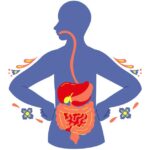
Stomach ailments: Stress can bring about or worsen heartburn, indigestion, nausea and other symptoms.
Bowel disorders: It could bring about IBS (Irritable Bowel Syndrome), loose stools or constipation.
4. Musculoskeletal System
Tension in muscles: Stress leads to contraction of muscles that may result into headaches or migraines, neck pain, back pain along with general body pain.
Chronic pain: Ongoing tension could perpetuate sustained muscle musculoskeletal pain over time.
5. Endocrine System
Changes in balance of hormones: Stress directly alters the levels of hormone, for example, cortisol, and adrenalin which affects sleep, appetite, metabolism and even menstrual cycles.
Changes in weight: Increased stress links to gaining extra weight, specifically around the waist as well as unhealthy eating habits.
6. Respiratory Problems
Breathing problems: As part of their stress reaction, some individuals may experience shortness of breath or hyperventilation, which exacerbates asthma and COPD.
7. Disruptive Sleep Patterns
Sleep deprivation: Stress makes falling asleep or maintaining sleep difficult—this problem leads to fatigue and other disorders.
8. Dermatology and Hair
Dermatological diseases: Stress can initiate or exacerbate eczema, psoriasis and acne.
Alopecia: Chronic stress may lead to hair loss (telogen effluvium).
Better Health from Stress Management:
Therapeutic Exercises
Mindfulness practices along with Meditation
Adequate and proportionate food and water intake
Restful sleep
Support from family, friends, and counseling.