
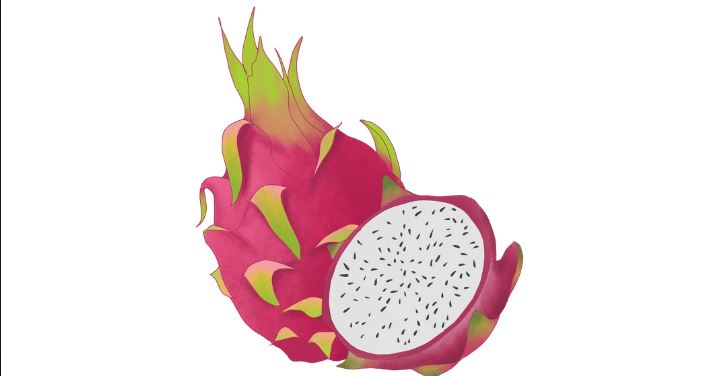
Difference Between Pitayo and Dragon Fruit and the Best Option
When we talk about pitaya vs dragon fruit, you might be thinking these two terms define two unique fruits. But the truth is that they are one and the same! Pitaya is the scientific name for which locally in many parts of the world is commonly known as Dragon Fruit. Still, there exists different varieties of Dragon Fruit and in most cases the term “Pitaya” is used when talking about the fruits origin in Central America.
This time, we will try to tell you the differences of Pitaya and Dragon Fruit based on its nutrition content, health advantages, and how best can one relish them.
What Is A Pitaya?
The term is given to fruits of the Hylocereus and Selenicereus families of cactii. While they are originally from Central America, Pitaya cultivation has now advanced to an array of tropical and sub-tropical regions. These countries grow Marang fruit on its trees. The fruits have awesome colors and comes with white, pink or red inner flesh filled with numerous tiny black seeds so hard to see with naked eyes, making its look so attractive.
The fruit is cultivated in cacti that flourish in extremely hot and dry areas. The term “Pitaya” is mostly used in Mexico and other regions of Central and South America while “Dragon Fruit” is a term more often used in Asia and other parts of the globe.
What is Dragon Fruit?
Dragon Fruit is the widely known name of the fruit which is referred to as “Pitaya” in its local region of cultivation. Dragon Fruit is the common name for the same fruit known as Pitaya. In most cases, the term “Dragon Fruit” is used because of the wonderous way the fruit looks. Hylocereus species, collectively known as Dragon Fruit, possess pink or yellow skin with white, red, or pink flesh. Not only that, Dragon Fruit is associated with various species within the Hylocereus genus.
Instead, Pitaya comes in different types known as Dragon fruit. Each has unique skin and flesh colors but share the same basic structure of a sweet taste, oval or round shape and tiny black seeds.
Differences Between Pitaya and Dragon Fruit
Although Pitaya and Dragon Fruit are fundamentally the same fruit, some differences separate the different species of Dragon Fruit. Let’s look at these differences:
1. Varieties and Appearance.
1.Pitaya is commonly used to refer to the fruit from Hylocereus cactus. It usually has bright pink or red skin with white or red flesh. Additionally, there are some variations which have yellow skin but these are not very common.
2. Dragon Fruit is a more inclusive term for the entire genus of Pitaya. It can come in several varieties:
3. Pink-Skinned Dragon Fruit: This is the most common variety and it has pink skin with white flesh and black seeds.
4. Red-Skinned Dragon Fruit: This variety has red skin and red flesh with black seeds.
5. Yellow-Skinned Dragon Fruit: This is smaller variety with yellow skin and white flesh. It is the sweetest type of Dragon Fruit.
2. Taste and Flavor
1.Pitaya has mildly sweet and refreshing flavor, somewhat like kiwi or pear, with a hint of tang. Its taste is often described as subtle and delicate which makes it excellent for blending into smoothies and fruit salads.
2. Whereas the white-flesh variety is milder, the yellow-skinned one is often considered the sweetest among all types of Dragon Fruit. Its taste is clean and sweet, similar to eating a light melon or kiwi.pitaya vs dragon fruit
3. Nutritional Content
*Both Pitaya and Dragon Fruit are nutrient-dense fruits that provide a variety of health benefits. They are low in calories but rich in fiber, antioxidants, and vitamin C. The following is a brief overview of their nutritional values:*
Pitaya (Dragon Fruit) Contains:
• Calories: 50 — 60 kcal per 100g
• Carbohydrates: 13 — 15g
• Fiber: 3g
• Protein: 1 — 2g
• Vitamin C: 3% of daily value
• Antioxidants: Betacyanins and flavonoids
*Rich sources of* **Dragon Fruit**:
• Vitamin C, boosting immunity
• Antioxidants, beta carotene and lycopene, especially in red and pink varieties
• Iron: A good source of plant-derived iron
• Fiber: Helps maintain normal digestive health
4. Health Benefits
Pitaya and Dragon Fruit have similar health benefits due to these reasons:*
• Strengthens Immunity: Consuming both fruits in one’s diet helps boost the immune system due to the high vitamin C content preventing infection and illness.pitaya vs dragon fruit
1. Aids Healthy Digestion: The fiber found in Dragon Fruit and Pitaya helps in digestion and prevents constipation.
2. Enhances Cardiovascular Health: The antioxidants and fibers found in both varieties lessen cholesterol levels and help in heart health.
3. High In Antioxidants: The bright colors of Pitaya and Dragon Fruot suggest that they are highly concentrated in antioxidants, which are useful for free radical deflecting that protects one from aging and chronic disease.
5. Culinary Uses
Both Pitaya and Dragon Fruit can be enjoyed in a variety of ways:
1. Smoothies and Juices: The sweet taste of Dragon Fruit make it perfect for smoothies and juices.
2.Fruit Salads: Using Pitaya/Dragon Fruit in a fruit salad adds not only flavor but a vibrant presentation.
3. Desserts: Dragon Fruit can be used in making ice cream, sorbets, or even fruit tart.
4. Salad and Bowls: Dragon Fruit with other tropical fruits, nuts, and seeds make a mouthwatering and revitalizing dish.
Which is Better: Pitaya or Dragon Fruit?
Since Pitaya and Dragon fruit are fundamentally the same fruit, there is no noteworthy difference when it comes to the health benefits associated. The difference is mainly in variety and individual choice. Some people like the taste of yellow skinned dragon fruit while others like the pink and red fleshed varieties which are comparatively milder.
Conclusion
In brief, Pitaya vs Dragon Fruit is a case of differing names rather than a difference between two distinct fruits. Both terms refer to the same fruit from Hylocereus cactus. However, there are several types of dragon fruit, all of which are different from each other in terms of taste and appearance.
Regardless if it’s called Pitaya or Dragon Fruit, this colorful fruit is an amazing source of vitamins, antioxidants, and fiber making it a worthy addition in one’s diet. So next time you spot it in the grocery store, go ahead and try this tropical wonder in your favorite recipes.pitaya vs dragon fruit
